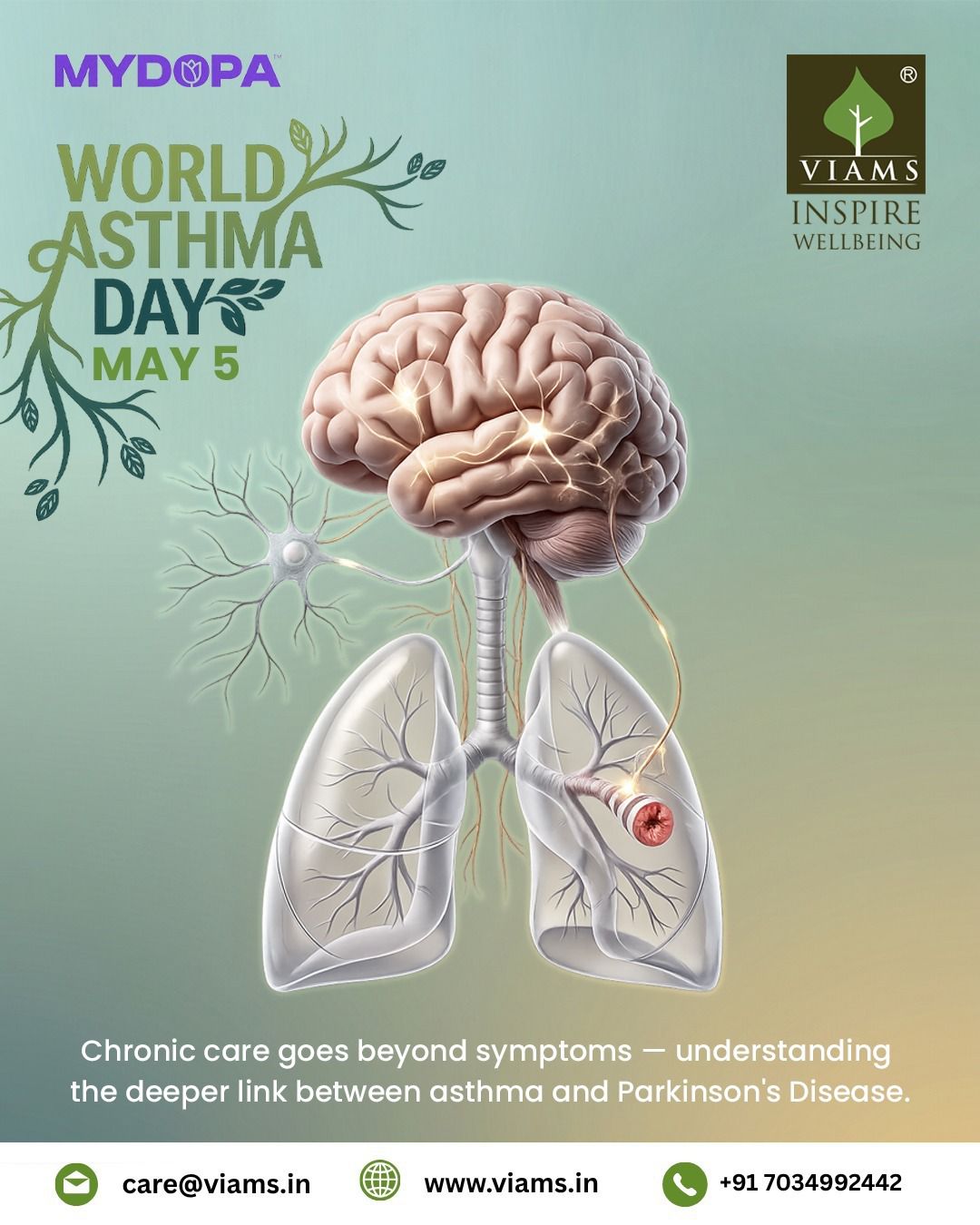
World Asthma Day: Looking Beyond Symptoms
Every year, World Asthma Day reminds us to reflect on a condition affecting millions worldwide. Asthma is often recognized by symptoms like wheezing, breathlessness, and chest tightness—but for many, it is a lifelong condition requiring continuous care.
As the number of people living with chronic asthma rises, so does dependence on long-term medication. While modern asthma treatment has significantly improved survival and quality of life, it raises an important question:
What are the long-term effects of managing asthma only at a symptomatic level?
Understanding Asthma and Long-Term Treatment
Asthma is a chronic inflammatory condition of the airways. Standard asthma treatment includes:
- Bronchodilators
- Corticosteroids
- Long-term controller medications
These treatments are essential for preventing asthma attacks and maintaining normal breathing. However, they primarily focus on symptom control rather than systemic balance.
For many patients, especially those with moderate to severe asthma, this leads to lifelong medication dependency.
Why Looking Beyond Symptom Control Matters
The human body functions as an interconnected system—not isolated parts. When treatment focuses mainly on the respiratory system, it’s important to consider how long-term intervention affects overall health.
Clinical observations suggest that some individuals on prolonged asthma treatment may experience:
- Persistent fatigue
- Reduced vitality
- Changes in neuromuscular coordination
- Increased stress on the body
These patterns do not diminish the importance of medication but highlight the need for a more holistic asthma treatment approach.
Asthma and Neurological Health: Is There a Link?
Over time, healthcare professionals have observed that patients with chronic respiratory conditions may show signs of broader systemic imbalance.
It’s important to clarify:
👉 There is no proven evidence that asthma medications directly cause neurological diseases like Parkinson’s disease.
However, certain contributing factors may play a role:
- Chronic systemic stress
- Long-term medication exposure
- Individual physiological susceptibility
From an integrative perspective, these factors may influence overall neurological balance, making this an important area for awareness and further research.
Ayurvedic Perspective on Asthma and Systemic Balance
In Ayurveda, health is viewed holistically.
Asthma is associated with:
- Imbalance in Vata and Kapha doshas
- Disturbance in Pranavaha Srotas (respiratory channels)
- Disruption of Prana (vital life force)
According to Ayurveda:
- Breath and brain function are interconnected
- Long-term imbalance in respiration can influence neurological health
- Chronic conditions may evolve if systemic balance is not restored
This approach does not claim direct causation but emphasizes progressive imbalance across body systems.
The Importance of Integrative Asthma Treatment
Modern medicine is essential—but combining it with integrative care can enhance long-term outcomes.
An integrative asthma treatment approach aims to:
- Reduce long-term dependency where possible
- Improve overall resilience and vitality
- Support both respiratory and neurological health
- Address root causes, not just symptoms
Early intervention plays a key role in preventing deeper systemic imbalances.
Holistic Asthma Care: Key Components
1. Lifestyle Regulation
Maintaining a consistent routine helps stabilize the body and reduce triggers.
2. Diet and Nutrition
Warm, easily digestible foods support respiratory health and improve metabolism.
3. Panchakarma Therapies
Traditional detox therapies help:
- Remove accumulated toxins
- Restore internal balance
- Enhance overall vitality
4. Breathing and Mind-Body Practices
Practices like pranayama and yoga:
- Strengthen lung capacity
- Calm the nervous system
- Improve oxygen efficiency
5. Integrative Support
Combining Ayurveda with:
- Physiotherapy
- Counseling
- Rehabilitation therapies
creates a comprehensive and sustainable asthma treatment plan.
A Balanced Perspective: Awareness Without Fear
Asthma treatment has advanced significantly, and modern medicine continues to play a life-saving role. However, long-term care requires a broader perspective.
The goal is not fear—but awareness.
True health means:
- Balanced systems
- Sustained energy
- Functional harmony across the body
Recognizing the connection between respiratory and overall health allows for better long-term outcomes.
Message for Patients and Caregivers
If you or your loved ones are undergoing long-term asthma treatment:
✔ Continue prescribed medical care
✔ Monitor overall health—not just symptoms
✔ Consider integrative approaches for long-term wellness
Small, consistent changes today can shape your health in the future.
World Asthma Day: A Call for Holistic Care
This World Asthma Day, let’s shift the focus:
- From symptom control → to system balance
- From short-term relief → to long-term wellness
- From isolated treatment → to integrative care
Because when we care for the breath, we must also care for the life it sustains.
Take control of your long-term health—not just your symptoms.
Explore a more balanced approach to asthma treatment with integrative care that supports your entire system.
👉 Book a consultation today and discover how holistic asthma care can improve your breathing, energy, and overall well-being.
Asthma isn’t just about breathing—it’s about how your body adapts, copes, and functions over a lifetime of care.
Looking for a more comprehensive approach to asthma treatment? Explore our integrative care programs designed to support long-term respiratory and overall health.