
Imagine a child suddenly becoming unresponsive in a classroom, an elderly parent experiencing an unexplained episode of confusion, or an adult suddenly losing awareness while performing everyday activities.
These situations can be frightening for families. However, many people do not know how to recognize a seizure or respond appropriately.
Epilepsy remains one of the most common neurological disorders worldwide. Despite advances in medical science, people living with epilepsy continue to experience social stigma, discrimination and delays in receiving appropriate medical care.
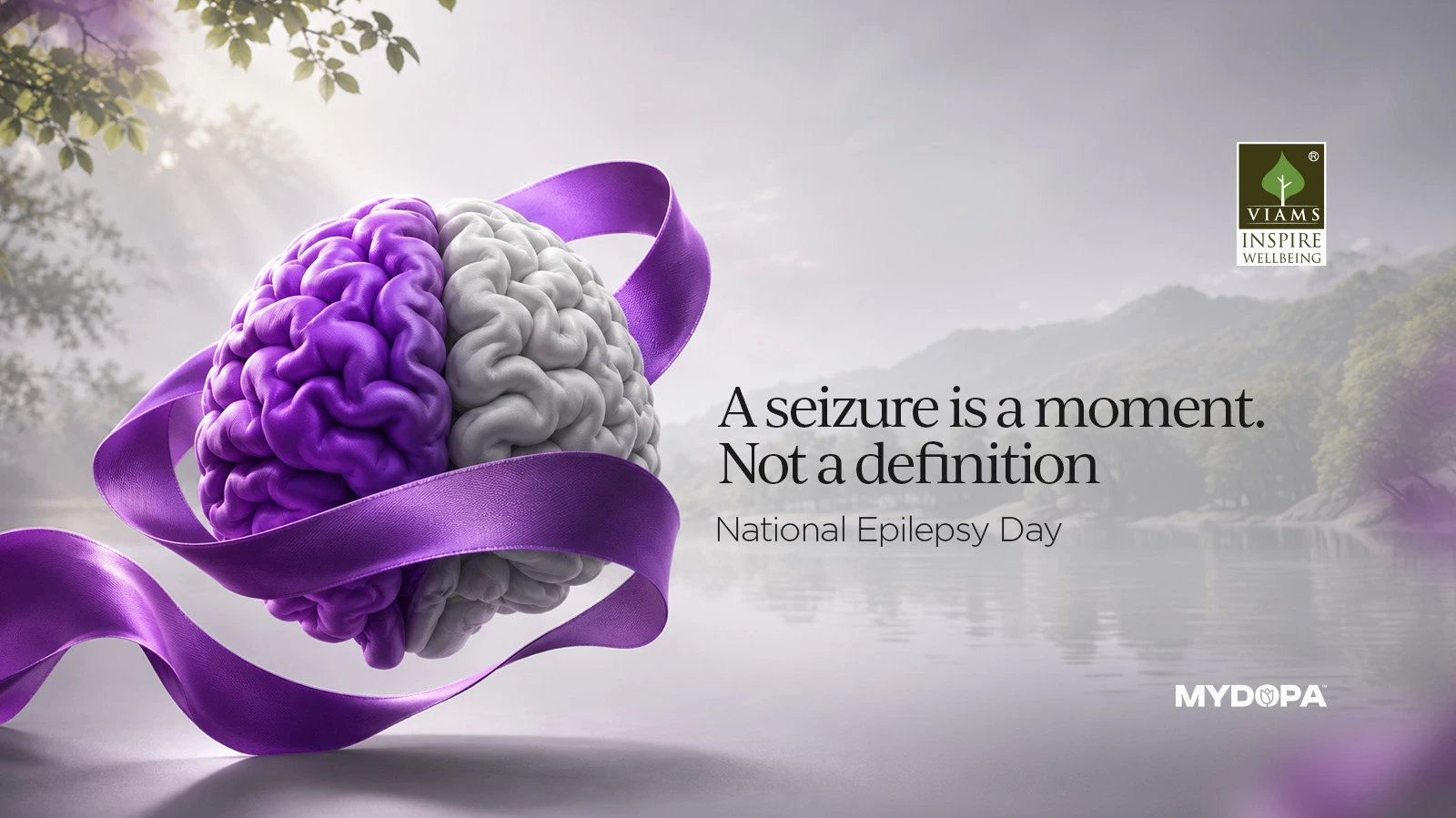
Observed in India on November 17 every year, National Epilepsy Day provides an opportunity to improve public understanding, challenge misconceptions and encourage timely diagnosis.
The message for 2026 is particularly important: breaking stigma, understanding epilepsy and promoting comprehensive neurological care.
Epilepsy is a manageable neurological condition for many people. With appropriate diagnosis, treatment and family support, individuals can pursue education, careers, relationships and meaningful lives.
This National Epilepsy Day, let us replace fear with knowledge and discrimination with understanding.
Epilepsy is a chronic neurological disorder characterized by an enduring tendency to experience recurrent unprovoked seizures.
The human brain contains billions of nerve cells called neurons. These cells communicate through electrical and chemical signals, coordinating movement, memory, emotions, awareness and other bodily functions.
During a seizure, there is a sudden episode of abnormal electrical activity in the brain, temporarily affecting its normal functioning.
Depending on the brain regions involved, a seizure may cause:
Uncontrolled movements or jerking of the body.
Temporary loss of awareness or consciousness.
Sudden staring or unresponsiveness.
Unusual sensations, smells or visual experiences.
Temporary speech difficulties.
Confusion or unusual behaviour.
Importantly, not every seizure involves falling down or shaking. Some seizures are subtle and may go unnoticed.
Epilepsy is a neurological condition. It is neither a psychiatric illness nor a supernatural phenomenon, and it is not contagious.
Epilepsy represents a significant public health concern.
According to the World Health Organization (WHO):
Approximately 50 million people worldwide live with epilepsy.
Nearly 80% of affected individuals live in low- and middle-income countries.
More than 10 million people in India are estimated to have epilepsy, according to Indian health technology assessment literature.
Up to 70% of people with epilepsy could become seizure-free with appropriate diagnosis and treatment.
Despite the availability of effective treatment, many individuals experience difficulties accessing neurological services.
Lack of awareness, financial challenges, misconceptions, delayed medical consultation and social discrimination contribute to the treatment gap.
These numbers remind us that epilepsy awareness must extend beyond hospitals and healthcare institutions. Families, schools, workplaces and communities all have an important role.
Recognizing epilepsy symptoms is an important step towards early diagnosis.
Seizures can present differently depending on the part of the brain involved.
Common seizure manifestations include:
Sudden loss of consciousness.
Stiffening and rhythmic jerking of the limbs.
Sudden collapse.
Temporary unresponsiveness.
Confusion following an episode.
Less obvious seizure manifestations include:
Brief episodes of staring into space.
Sudden interruption of conversation.
Repetitive lip movements or hand movements.
Unexplained sensations of fear or familiarity.
Sudden unusual smells or tastes.
Temporary inability to speak.
Short episodes of confusion or memory disturbance.
Some individuals may experience focal seizures, which begin in one part of the brain and may occur with or without impaired awareness.
Generalized seizures involve networks across both sides of the brain.
A single seizure does not automatically mean that someone has epilepsy. Fever, low blood glucose, metabolic disturbances and other medical conditions can also cause seizures.
Repeated unexplained episodes require proper medical assessment.
Epilepsy can develop for several reasons, and sometimes the exact cause cannot be identified.
Common causes and associated risk factors include:
Genetic factors and inherited neurological conditions.
Brain injuries, including injuries around birth.
Stroke and cerebrovascular disease.
Severe head injuries.
Brain infections such as meningitis and encephalitis.
Certain structural abnormalities of the brain.
Brain tumours.
Metabolic and immune-related conditions.
In approximately half of epilepsy cases worldwide, the underlying cause remains unknown.
Identifying the cause is important because treatment decisions may depend on the type of seizure, the underlying condition and the individual’s overall health.
Epilepsy in Children
Children may experience different seizure patterns depending on their age and stage of neurological development.
Some seizures may appear as brief staring episodes, sudden pauses in activity or unusual movements.
Parents and teachers should pay attention to:
Repeated episodes of unexplained unresponsiveness.
Sudden interruptions during classroom activities.
Unusual repetitive movements.
Episodes of confusion.
Developmental or behavioural changes requiring assessment.
Early recognition and appropriate treatment can help children maintain their educational participation, development and quality of life.
Epilepsy in Senior Citizens
Epilepsy in older adults deserves particular attention.
A seizure in an elderly person may sometimes be mistaken for fainting, confusion, memory problems or age-related cognitive decline.
Important underlying causes include stroke, previous brain injury, structural brain disease and certain metabolic disturbances.
For families involved in caring for elderly parents, unexplained episodes of confusion, sudden changes in awareness or unusual movements should never be dismissed as normal ageing.
Timely medical assessment can help identify the underlying cause and guide appropriate care.
Stigma often causes more social suffering than the condition itself.
Let us address some common misconceptions.
Myth: Epilepsy is caused by supernatural forces.
Fact: Epilepsy is a neurological disorder.
Myth: Epilepsy is contagious.
Fact: It cannot spread from one person to another.
Myth: Every seizure involves violent shaking.
Fact: Some seizures cause only staring or temporary loss of awareness.
Myth: A person can swallow their tongue during a seizure.
Fact: This is a misconception. Nothing should be placed inside the mouth.
Myth: People with epilepsy cannot lead normal lives.
Fact: Many people live productive and fulfilling lives with appropriate care.
Myth: Epilepsy always indicates intellectual disability.
Fact: Most people with epilepsy do not necessarily have intellectual disability.
Myth: Medication should be stopped once seizures disappear.
Fact: Medication changes must be guided by the treating doctor.
The most important message: A person living with epilepsy deserves the same dignity, opportunities and social acceptance as everyone else.
Essential public health information
Knowing seizure first aid can protect someone from avoidable injuries and complications.
Parents, teachers, caregivers and members of the general public should understand these simple steps.
What should you do when someone experiences a seizure?
1. Stay calm and remain with the person.
Do not panic. Stay nearby and observe what is happening.
2. Protect the person from injury.
Move nearby furniture, sharp objects and other hazards away. If the person is falling, help them reach the ground safely when possible.
3. Cushion the head.
Place something soft and flat, such as a folded towel or clothing, underneath the head.
4. Loosen tight clothing around the neck.
Remove or loosen tight collars, scarves or neckwear if possible.
5. Turn the person gently onto their side when possible.
This helps maintain airway safety, particularly when the seizure movements have eased.
6. Record the duration.
Note when the seizure begins and ends. The duration is important information for healthcare professionals.
What should you NEVER do?
Never restrain the person’s movements.
Never put fingers, spoons or other objects into their mouth.
Never attempt to force the mouth open.
Never give water, food or oral medication during an active seizure.
Never attempt to make the person stand or walk immediately after the episode.
When should you seek emergency medical assistance?
Call emergency services if:
The seizure lasts five minutes or longer.
Another seizure begins before the person recovers.
The person has difficulty breathing or waking up afterwards.
The person sustains an injury.
It is their first known seizure.
The seizure occurs in water.
After the seizure, remain with the person until they regain awareness. Speak gently, explain what happened and allow them time to recover.
Remember: Stay calm. Protect. Turn onto the side when possible. Time the seizure. Get help when necessary.
Early diagnosis is essential for effective epilepsy management.
A healthcare professional generally evaluates the individual’s medical history, seizure characteristics, previous illnesses, medications and family history.
Diagnostic investigations may include:
Neurological examination: Evaluates neurological functioning and identifies possible abnormalities.
Electroencephalogram (EEG): Records the brain’s electrical activity and helps identify patterns associated with epilepsy. A normal EEG does not completely exclude epilepsy.
Brain imaging: MRI or CT scans may be recommended to identify structural abnormalities, previous injuries, stroke-related changes or other underlying causes.
Blood investigations: May help identify metabolic disturbances, infections or other contributing conditions.
What are the treatment options?
Treatment depends on the seizure type, epilepsy syndrome, underlying cause, age and other health conditions.
Options may include:
Antiseizure medications.
Special dietary therapies, including ketogenic therapy in selected cases under specialist supervision.
Epilepsy surgery for appropriately selected individuals.
Neuromodulation therapies in certain drug-resistant cases.
Rehabilitation and supportive care according to individual needs.
Many people achieve good seizure control with appropriate medication.
Prescribed antiseizure medication should never be discontinued, reduced or modified without the treating doctor’s guidance.
One important aspect of neurological healthcare is understanding how different brain conditions can affect one another.
Stroke, brain injuries and cerebrovascular disease can sometimes contribute to seizures and the development of epilepsy.
Post-stroke epilepsy
A stroke occurs when the blood supply to part of the brain is interrupted or when bleeding damages brain tissue.
Following a stroke, some individuals may experience seizures. Seizures occurring in the immediate period after a stroke are not necessarily epilepsy. However, recurrent unprovoked seizures developing after a stroke may indicate post-stroke epilepsy.
The risk depends on factors such as stroke severity, location and the extent of brain injury.
This is particularly relevant for senior citizens and individuals with a history of cerebrovascular disease.
Vascular Parkinsonism
Vascular Parkinsonism is a movement disorder associated with cerebrovascular damage affecting brain regions involved in movement control.
It may present with:
Slowness of movement.
Difficulty initiating walking.
Shuffling gait.
Balance disturbances.
Increased risk of falls.
Urinary and cognitive difficulties in some individuals.
Unlike typical Parkinson’s Disease, vascular Parkinsonism is associated with cerebrovascular abnormalities, often involving small blood vessels in the brain.
Vascular dementia
Vascular dementia develops when reduced blood supply damages brain tissue.
It may occur following a major stroke, multiple smaller strokes or chronic small-vessel disease.
Common manifestations include:
Memory and thinking difficulties.
Reduced concentration.
Slower information processing.
Problems with planning and decision-making.
Difficulty maintaining balance and performing daily activities.
Why should families pay attention to vascular health?
Hypertension, diabetes, high cholesterol, smoking and certain heart conditions can increase the risk of cerebrovascular damage.
These conditions require appropriate medical management and regular follow-up.
An important distinction must be understood: Epilepsy does not normally progress into Parkinson’s Disease, vascular Parkinsonism or vascular dementia.
However, an underlying cerebrovascular condition can independently contribute to seizures, movement disorders and cognitive impairment.
Identifying and managing these underlying conditions is essential for comprehensive neurological healthcare.
Neurological healthcare involves more than managing individual symptoms.
People living with neurological disorders may experience difficulties with mobility, communication, memory, emotional wellbeing, nutrition and everyday activities.
A multidisciplinary approach can help address these different needs.
Depending on the individual’s diagnosis, comprehensive neurological care may involve:
Neurological assessment: Diagnosis, investigations and medical management.
Physiotherapy: Mobility, balance, strength and functional independence.
Occupational therapy: Improving participation in daily activities.
Speech therapy: Communication and swallowing support where indicated.
Psychological counselling: Emotional wellbeing and coping strategies.
Dietetics: Individualized nutritional guidance.
Yoga and physical activity: Appropriate physical wellbeing and functional support.
Ayurveda-based supportive care: Individualized supportive healthcare under qualified medical supervision.
What is the role of Ayurveda in neurological health?
Ayurveda has a traditional framework for understanding neurological and functional disorders.
Ayurveda-based supportive care may be considered as part of an individualized healthcare plan, depending on the patient’s medical condition and the available clinical evidence.
However, it is important to maintain clear medical boundaries.
Ayurveda should not be presented as a proven cure for epilepsy, and Ayurvedic medicines or procedures should not replace established antiseizure treatment.
Some herbal preparations may interact with prescribed medications. Therefore, patients should inform their treating doctors about all medicines and supplements they use.
The principle of integrative neurological care is to combine appropriate supportive interventions without compromising evidence-based medical treatment.
Family support is an essential part of epilepsy management.
For parents caring for children with epilepsy or adults caring for elderly parents, understanding the condition can make everyday life safer and more reassuring.
Here are some practical recommendations:
Learn to recognize the person’s usual seizure pattern.
Maintain a record of seizure episodes and their duration.
Ensure prescribed medication is taken as advised.
Attend scheduled medical consultations.
Encourage regular sleep and healthy daily routines.
Discuss appropriate safety precautions with healthcare professionals.
Inform teachers, caregivers or relevant family members about seizure first aid.
Provide emotional support without making the individual feel dependent or isolated.
Most importantly, avoid treating someone differently simply because they have epilepsy.
Education, empathy and family involvement can make a meaningful difference in the person’s quality of life.
Do not ignore unexplained episodes involving changes in awareness, unusual movements or sudden neurological symptoms.
Seek medical assessment when you notice:
A first suspected seizure.
Repeated episodes of staring or unresponsiveness.
Unexplained episodes of confusion.
New seizures following a stroke or head injury.
Changes in memory, behaviour or mobility.
Seizures occurring despite prescribed treatment.
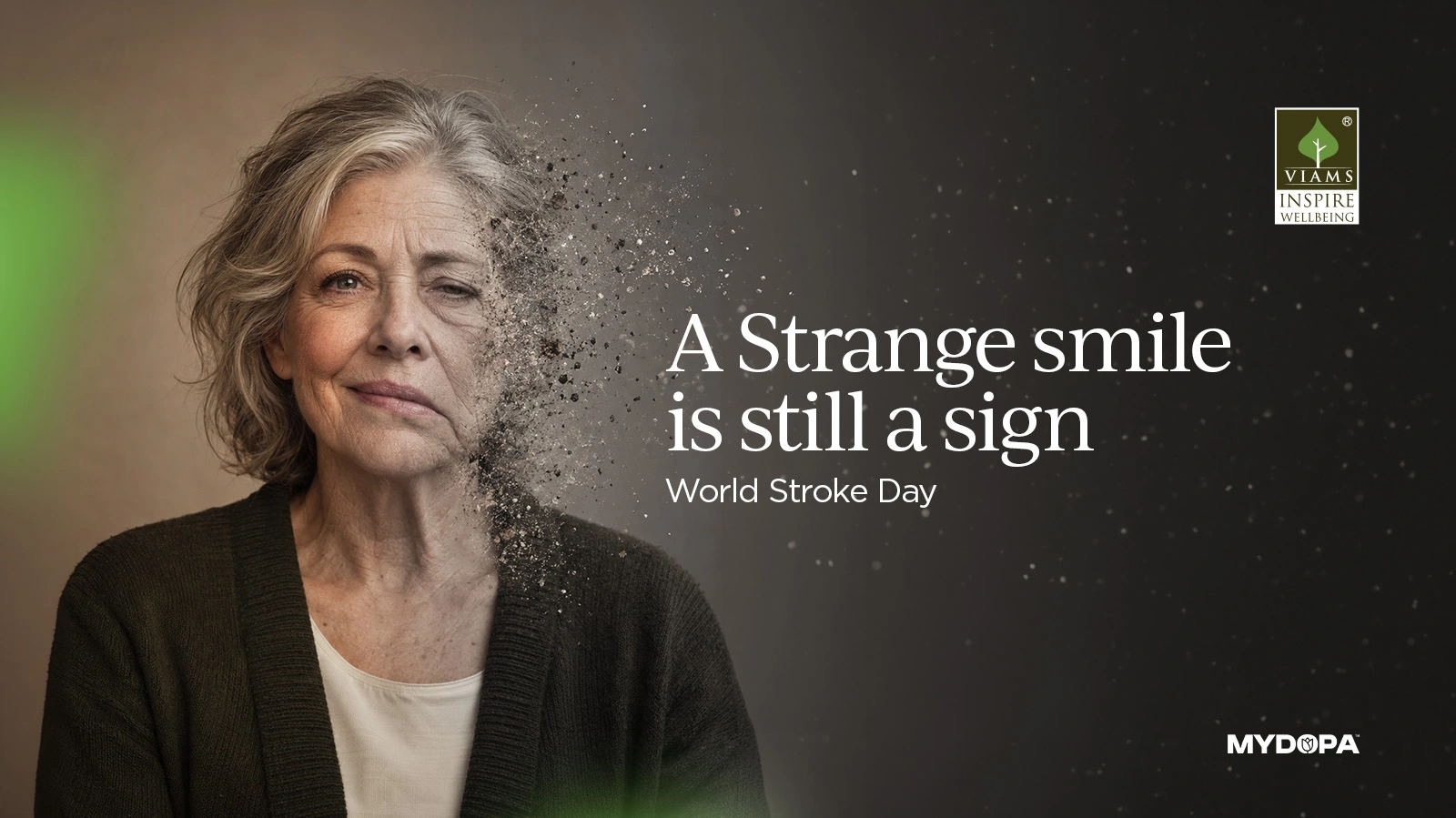
Sudden facial weakness, arm weakness, speech difficulty or loss of balance may indicate a stroke. Seek emergency medical attention immediately rather than waiting for a routine consultation.
Early assessment helps identify the underlying problem and establish an appropriate treatment plan.
1. What is National Epilepsy Day, and why is it observed on November 17?
National Epilepsy Day is observed in India on November 17 to increase awareness about epilepsy, promote early diagnosis, encourage appropriate treatment and reduce social stigma associated with the condition.
2. Can epilepsy be cured?
Some epilepsy syndromes may resolve over time, while others require long-term management. Many people can achieve seizure freedom with appropriate treatment. According to WHO, up to 70% could become seizure-free with proper diagnosis and treatment.
3. Can a person with epilepsy lead a normal life?
Yes. Many people with epilepsy successfully pursue education, employment, relationships and independent living. Appropriate medical care, medication adherence and necessary safety precautions are important.
4. Is epilepsy contagious or hereditary?
Epilepsy is not contagious. Some forms have genetic associations, but not every person with epilepsy has an inherited condition or a family history of seizures.
5. What should I do if my elderly parent experiences a seizure?
Protect them from injury, cushion their head, time the episode and turn them gently onto their side when possible. Never restrain them or put anything into their mouth. Seek emergency assistance for a first known seizure, a seizure lasting five minutes or longer, repeated seizures without recovery or breathing difficulties.
6. Can a stroke cause epilepsy?
Yes. Stroke can damage brain tissue and sometimes lead to seizures. Recurrent unprovoked seizures following a stroke may be diagnosed as post-stroke epilepsy.
7. Can Ayurveda help people with epilepsy?
Ayurveda may have a supportive role in an appropriately supervised, individualized healthcare programme. However, there is insufficient reliable clinical evidence to establish Ayurveda as a cure for epilepsy. It must not replace prescribed antiseizure medication or specialist neurological care.
National Epilepsy Day 2026 reminds us that epilepsy should be approached with knowledge rather than fear, medical understanding rather than misconceptions, and compassion rather than discrimination.
Three important messages deserve to be remembered:
Understand epilepsy: Recognize that it is a neurological condition that can affect people of all ages.
Know seizure first aid: Simple, appropriate actions can protect someone experiencing a seizure.
Seek timely medical care: Early assessment, accurate diagnosis and appropriate treatment can significantly improve outcomes.
At VIAMS, we recognize that neurological healthcare requires an understanding of the individual, the underlying condition and the challenges experienced by families.
Dr. K. V. Vijayan Institute of Ayurveda Medical Science (VIAMS) is committed to Ayurveda-based neurological healthcare, Parkinson’s Disease care, integrated neurorehabilitation, physiotherapy and multidisciplinary patient support.
Through patient education, caregiver guidance and appropriate rehabilitation, we aim to contribute to better neurological health and quality of life.
Neurological health deserves awareness, understanding and timely care. At VIAMS, we believe in supporting individuals and families through informed medical guidance and comprehensive neurological healthcare.
Connect with VIAMS to learn more about our neurological care and rehabilitation services.