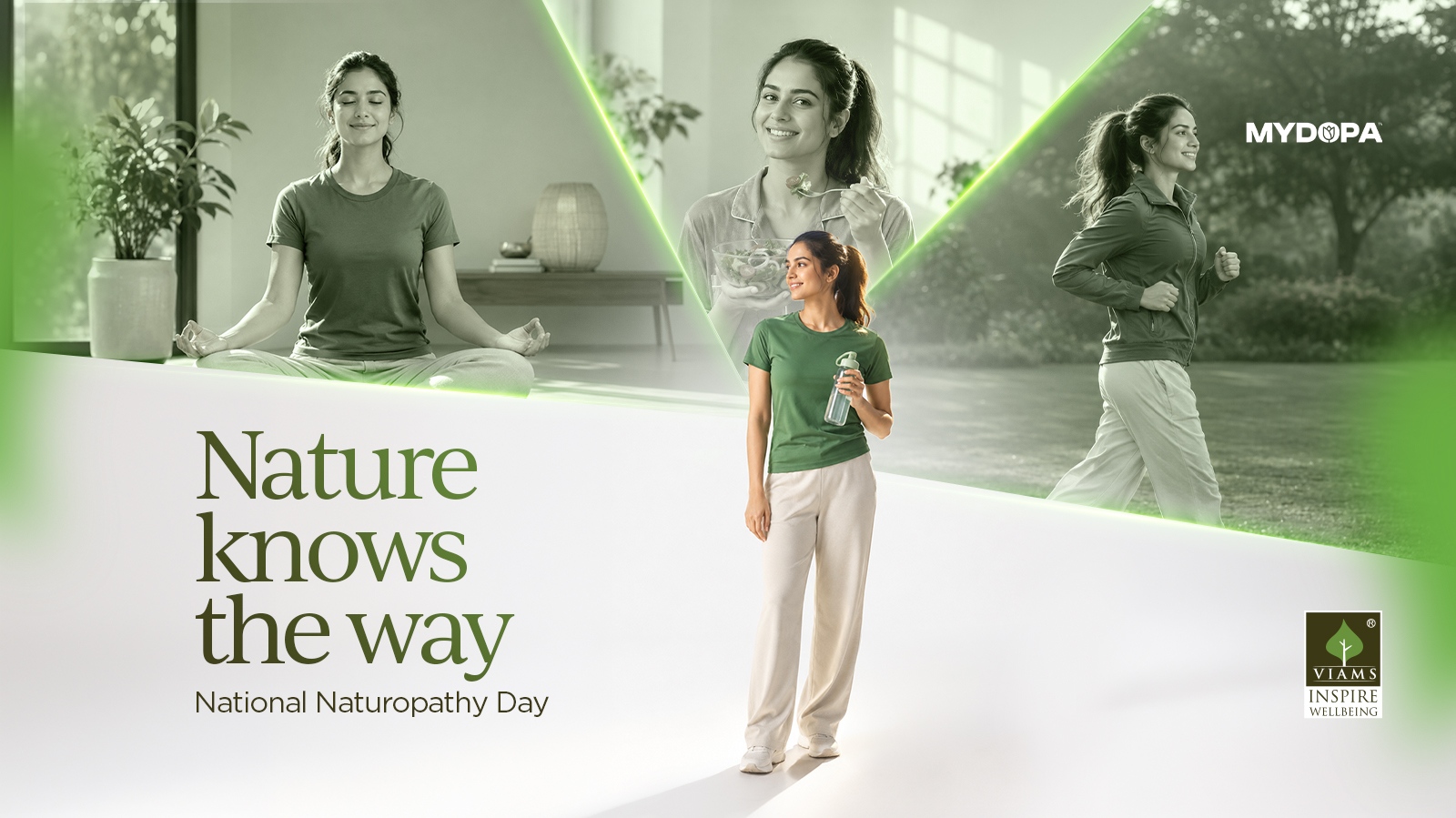
VIAMS | Healthcare Education & Awareness | 18 November 2026
Our health is influenced by much more than the absence of disease. The way we eat, move, sleep, manage stress and maintain our digestive health can influence our overall physical and mental well-being. These interconnected aspects become particularly important as we grow older and face chronic health conditions.
On National Naturopathy Day 2026, it is an opportunity to reflect on the importance of preventive healthcare, natural lifestyle practices and a holistic understanding of health.
From supporting people living with Parkinson’s Disease to improving digestive wellness and maintaining metabolic health, naturopathy offers several lifestyle-oriented approaches that can complement appropriate medical care.
One particularly interesting area of modern medical research is the relationship between the gut and the brain. Researchers are increasingly investigating how the gut microbiome, nervous system, inflammation and metabolic processes interact and influence human health.
For people living with Parkinson’s Disease, these connections are especially relevant because neurological symptoms can coexist with constipation, sleep disturbances, reduced physical activity and changes in digestive function.
This National Naturopathy Day, let us explore how naturopathy, Ayurveda and modern healthcare can work together to support better health, healthy ageing and quality of life.
India observes National Naturopathy Day every year on 18 November to promote awareness about naturopathy and its contribution to health promotion and disease prevention.
The date has historical significance. On 18 November 1945, Mahatma Gandhi became the Lifetime Chairman of the All India Nature Cure Foundation Trust and signed its deed. The Ministry of AYUSH officially declared 18 November as National Naturopathy Day in 2018.
The 9th National Naturopathy Day will be observed in 2026 under the official theme:
“Prakrutik Chikitsa, Swasth Bharat” – Natural Healthcare, Healthy India.
The theme highlights preventive healthcare, balanced nutrition, physical activity, yoga, stress management and the prevention of lifestyle-related disorders, particularly obesity.
What is naturopathy?
Naturopathy is a system of healthcare that emphasizes natural lifestyle practices, nutrition, physical activity, rest and other nature-based approaches to support health and well-being.
Its broad philosophy focuses on understanding the individual as a whole rather than considering symptoms in isolation.
Some important principles include:
Naturopathy is particularly relevant today because many chronic health conditions are influenced by lifestyle factors. However, natural approaches must be evaluated for safety and effectiveness, and should not replace necessary medical treatment.
One of the important areas where naturopathy-based lifestyle interventions may contribute to supportive care is neurological health, particularly in people living with Parkinson’s Disease.
Understanding Parkinson’s Disease
Parkinson’s Disease is a progressive neurodegenerative disorder that primarily affects the brain’s movement-control system.
It is associated with the gradual loss of dopamine-producing nerve cells, particularly in a region of the brain called the substantia nigra.
Dopamine is an important chemical messenger that helps coordinate smooth and controlled body movements.
As dopamine levels decline, individuals may experience:
Motor symptoms
Non-motor symptoms
Parkinson’s Disease is not simply a movement disorder. It can affect several systems of the body, including digestion, sleep, mood and autonomic nervous system function.
How can naturopathy support people with Parkinson’s Disease?
Naturopathy-based lifestyle interventions may complement conventional Parkinson’s treatment by addressing physical fitness, nutritional health, emotional well-being and daily functioning.
A. Therapeutic exercise and physical activity
Regular physical activity is an important component of Parkinson’s Disease management.
Exercise can help maintain mobility, flexibility, balance, strength and functional independence.
Useful approaches include:
The Parkinson’s Foundation emphasizes the importance of regular exercise and recommends individualized programmes incorporating aerobic activity, strength, balance and flexibility training.
For people with significant balance difficulties or a history of falls, exercises should be supervised by an appropriately trained physiotherapist.
B. Yoga and mind-body practices
Yoga may offer supportive benefits through gentle movements, breathing practices and relaxation.
Appropriately modified yoga practices may help individuals with Parkinson’s Disease work on:
Practices should be adapted according to the patient’s mobility, balance and physical capacity. Seated yoga or supported movements may be more appropriate for some individuals.
C. Nutrition and brain health
Good nutrition is essential for maintaining general health and functional ability.
People with Parkinson’s Disease may experience changes in appetite, swallowing, digestion and nutritional requirements.
A balanced dietary pattern should include:
Nutrition also requires special consideration when a patient is taking levodopa. Dietary protein can influence levodopa absorption in some individuals. Any changes to protein distribution or medication timing should therefore be discussed with the treating neurologist and dietitian rather than undertaken independently.
D. Sleep and stress management
Sleep disturbances are common in Parkinson’s Disease and may contribute to fatigue, mood changes and reduced daytime functioning.
Relaxation practices, regular sleep schedules, appropriate physical activity and management of underlying sleep disorders can support better sleep quality.
Persistent insomnia, excessive daytime sleepiness or unusual movements during sleep should be discussed with a healthcare professional.
E. The importance of integrated neuro-rehabilitation
Parkinson’s Disease requires more than medication alone. A multidisciplinary approach can address different aspects of the condition.
An integrated care programme may include:
The goal is to improve functional ability, support independence and maintain quality of life.
It is important to understand that naturopathy does not cure Parkinson’s Disease or replace prescribed medication. Its role is supportive, alongside evidence-based neurological care.
Have you ever experienced stomach discomfort during periods of stress or noticed changes in digestion when your sleep routine is disturbed?
These experiences demonstrate that the digestive system and the brain are closely connected.
This relationship is commonly known as the gut-brain axis.
What is gut health?
Gut health refers to the proper functioning of the digestive system, including digestion, absorption of nutrients, intestinal movement and the balance of microorganisms living in the gastrointestinal tract.
The gut contains trillions of microorganisms, collectively known as the gut microbiome.
These microorganisms participate in several important functions, including:
Understanding the gut-brain connection
The gut and brain communicate through several pathways, including:
This communication is bidirectional, meaning the brain can influence digestive activity, while signals originating in the gut can also influence brain function.
Research into the gut-brain axis has become particularly important in understanding neurological and metabolic disorders.
Why is gut health important in Parkinson’s Disease?
Digestive disturbances are common in people living with Parkinson’s Disease.
Constipation is among the frequently reported non-motor symptoms and may sometimes appear years before the characteristic movement difficulties.
Several factors contribute to digestive problems in Parkinson’s Disease:
Researchers are also investigating differences in gut microbiome composition among people with Parkinson’s Disease.
However, the precise relationship between microbiome changes and Parkinson’s Disease remains an active area of research. It is not yet established that correcting the microbiome can prevent, cure or reverse the condition.
How can naturopathy-based lifestyle practices support gut health?
1. Adequate hydration
Drinking sufficient fluids supports normal digestive function and may help prevent constipation.
Fluid requirements should be individualized, particularly in people with kidney or heart conditions or prescribed fluid restrictions.
2. Fibre-rich nutrition
Include suitable quantities of:
Increase fibre gradually, with appropriate fluid intake, to avoid worsening bloating.
3. Fermented foods
Traditional fermented foods such as curd and other suitable fermented preparations may contribute to dietary diversity and provide beneficial microorganisms.
However, fermented foods are not a treatment for Parkinson’s Disease or a guaranteed way to correct gut microbiome imbalance.
4. Regular physical activity
Walking and appropriate physical activity can support bowel movement and overall digestive function.
5. Mindful eating
Eating slowly, chewing food properly and maintaining regular meal timings may help support digestive comfort.
6. Stress management
Relaxation, breathing exercises and adequate sleep may help individuals manage stress-related digestive disturbances.
Persistent constipation, abdominal pain, unexplained weight loss, blood in stools or sudden changes in bowel habits require medical assessment rather than relying exclusively on dietary or natural remedies.
Metabolic health refers to how effectively the body regulates important functions such as blood glucose, blood pressure and blood lipid levels.
Good metabolic health supports the functioning of several organs, including the heart, brain, kidneys and liver.
Conditions such as diabetes, hypertension, obesity and metabolic syndrome can significantly affect long-term health.
How does naturopathy contribute to metabolic wellness?
Naturopathy emphasizes lifestyle practices that may complement medical management of metabolic disorders.
A. Balanced nutrition
A healthy dietary pattern should emphasize:
The World Health Organization identifies dietary adequacy, balance, moderation and diversity as important principles of healthy nutrition.
B. Regular physical activity
Physical activity supports glucose regulation, cardiovascular fitness and overall metabolic function.
Suitable activities may include:
Exercise intensity should be adapted to age, physical capacity and existing health conditions.
C. Stress management
Chronic stress can affect sleep, eating habits and metabolic regulation.
Relaxation techniques, meditation, appropriate breathing practices and enjoyable recreational activities may support emotional well-being.
D. Healthy sleep patterns
Sleep plays an important role in hormonal regulation, glucose metabolism and appetite control.
Maintaining consistent sleep and wake-up times can contribute to healthier daily routines.
E. Regular health monitoring
Lifestyle interventions work best when combined with appropriate medical monitoring.
Important health indicators include:
Lifestyle modification can support diabetes and hypertension management, but many individuals will continue to require prescribed medication. Never discontinue medication because of improvements in lifestyle or laboratory results.
Chronic diseases rarely affect only one dimension of health.
A person living with Parkinson’s Disease, for example, may experience movement difficulties, constipation, poor sleep, anxiety, nutritional challenges and reduced independence.
Addressing these concerns requires a coordinated healthcare approach.
This is where the principles of integrated healthcare become relevant.
How can different healthcare disciplines complement one another?
| Healthcare approach | Potential contribution |
|---|---|
| Modern medicine | Diagnosis, medication and medical monitoring |
| Ayurveda | Individualized traditional care and supportive interventions |
| Naturopathy | Lifestyle modification, nutrition and nature-based wellness practices |
| Physiotherapy | Mobility, strength, balance and gait rehabilitation |
| Yoga | Flexibility, movement awareness and relaxation |
| Dietetics | Nutritional assessment and dietary planning |
| Occupational therapy | Support for daily activities and independence |
| Speech therapy | Communication and swallowing rehabilitation |
| Psychology | Emotional well-being and coping strategies |
These approaches should not be considered interchangeable. Each has a different role, and interventions should be selected according to clinical needs, safety and available evidence.
VIAMS: An integrated approach to Parkinson’s Disease care
At Dr. K. V. Vijayan Institute of Ayurveda Medical Science (VIAMS), the approach to Parkinson’s Disease focuses on integrated Ayurveda-based neurological care and rehabilitation.
The care philosophy recognizes that Parkinson’s Disease affects multiple dimensions of an individual’s life and requires attention beyond the management of tremors and movement difficulties.
The multidisciplinary approach brings together:
By addressing physical, functional, nutritional and emotional needs, an integrated care model aims to support better daily functioning and quality of life.
The emphasis is on individualized assessment, appropriate treatment planning and coordinated follow-up.
Healthy ageing does not necessarily require complicated routines. Consistent and manageable lifestyle practices can make an important contribution to overall well-being.
Here are seven habits worth incorporating into everyday life.
1. Maintain adequate hydration
Drink sufficient water throughout the day, according to your individual medical requirements. Proper hydration supports digestion and general physiological function.
2. Choose balanced, nutritious meals
Include vegetables, fruits, whole grains, pulses and appropriate protein sources. Prefer dietary variety rather than restrictive diets.
3. Stay physically active
Walking, supervised exercise and appropriate physical activity help maintain mobility, cardiovascular fitness and metabolic health.
4. Practise yoga and relaxation
Gentle stretching, breathing exercises and relaxation techniques may support flexibility and emotional well-being.
5. Prioritize quality sleep
Maintain regular sleep timings and seek medical advice for persistent sleep disturbances.
6. Avoid prolonged inactivity
Take appropriate movement breaks, engage in enjoyable activities and maintain social connections.
7. Monitor your health regularly
Do not ignore persistent constipation, changes in movement, sleep disturbances, blood glucose abnormalities or elevated blood pressure. Timely medical evaluation is important.
For senior citizens and people with Parkinson’s Disease, these habits should be adapted to individual mobility, swallowing ability, nutritional requirements and existing medical conditions.
Despite increasing awareness, several misconceptions surround naturopathy and natural healthcare.
Let’s understand some important distinctions.
| Myth | Medical understanding |
|---|---|
| Naturopathy can cure every chronic disease. | No single healthcare system can guarantee a cure for every chronic condition. |
| Natural treatments are always safe. | Natural substances and therapies can have contraindications, side effects and interactions. |
| Parkinson’s Disease can be reversed through naturopathy. | There is currently no established cure for Parkinson’s Disease. Supportive care can help manage symptoms and functioning. |
| Gut cleansing removes toxins and cures neurological disorders. | There is no established evidence that commercial detoxification programmes cure neurological diseases. |
| Medication is unnecessary if lifestyle improves. | Prescribed treatment and medical monitoring remain important even when lifestyle improves. |
The most responsible approach is to combine appropriate lifestyle practices with evidence-based medical care.
1. What is National Naturopathy Day and why is it celebrated?
National Naturopathy Day is observed in India on 18 November every year. It commemorates Mahatma Gandhi’s association with the All India Nature Cure Foundation Trust in 1945. The day promotes awareness about naturopathy, natural living, preventive healthcare and healthy lifestyle practices.
2. How does naturopathy support overall health?
Naturopathy emphasizes nutrition, physical activity, adequate rest, stress management and appropriate nature-based interventions. These practices may support general health and complement conventional medical care.
3. Can naturopathy help people with Parkinson’s Disease?
Naturopathy-based lifestyle interventions such as appropriate exercise, yoga, nutritional guidance, relaxation and sleep management may support people living with Parkinson’s Disease. However, they cannot replace prescribed medication, neurological care or multidisciplinary rehabilitation.
4. What is the relationship between gut health and Parkinson’s Disease?
The gut and brain communicate through the nervous system, hormonal pathways and immune mechanisms. Constipation and other gastrointestinal disturbances are common in Parkinson’s Disease. Researchers are investigating the role of gut microbiome changes, although their exact contribution to disease development is not yet fully understood.
5. How can naturopathy support digestive health and constipation?
Adequate hydration, fibre-rich nutrition, regular physical activity, mindful eating and appropriate sleep routines can support digestive function and bowel regularity. Persistent constipation requires medical evaluation, particularly in people with neurological conditions.
6. Can naturopathy help improve metabolic health?
Lifestyle interventions involving balanced nutrition, regular physical activity, stress management and healthy sleep can support metabolic health. These approaches complement medical treatment for diabetes, hypertension and other metabolic disorders.
7. What is the difference between naturopathy and Ayurveda?
Naturopathy emphasizes natural lifestyle practices, nutrition, physical activity and nature-based approaches to health. Ayurveda is a traditional Indian medical system with its own principles of diagnosis, individualized treatment, herbal formulations and therapeutic procedures. Both have distinct philosophies and practices and should be applied with appropriate clinical assessment and safety considerations.
National Naturopathy Day 2026 reminds us that health is not simply about treating illness. It is also about understanding the interconnected relationship between the brain, gut, metabolism and overall well-being.
For people living with Parkinson’s Disease, digestive disturbances, diabetes, hypertension and other chronic conditions, appropriate lifestyle interventions can play a valuable supportive role.
Regular physical activity, balanced nutrition, adequate sleep, stress management and timely medical care are important foundations of healthy living.
The future of healthcare lies in responsible integration, where traditional healthcare knowledge, naturopathy, modern medicine and multidisciplinary rehabilitation work together to address the diverse needs of individuals.
At VIAMS, we believe that every patient deserves an individualized and compassionate approach to healthcare.
Our integrated Ayurveda-based neurological care and rehabilitation approach focuses on supporting people living with Parkinson’s Disease through coordinated clinical care, physiotherapy, occupational therapy, speech rehabilitation, nutrition and appropriate lifestyle interventions.
This National Naturopathy Day, let us make a commitment to healthier living, better awareness and a more integrated approach to healthcare.
Need expert guidance?
If you or a family member is living with Parkinson’s Disease, experiencing persistent digestive concerns or managing lifestyle-related disorders, seeking timely medical guidance is important.
Connect with Dr. K. V. Vijayan Institute of Ayurveda Medical Science (VIAMS) to understand how an individualized and multidisciplinary healthcare approach can support your health and quality of life.
VIAMS – Dr. K. V. Vijayan Institute of Ayurveda Medical Science
Integrated Ayurveda-Based Neurological Care & Rehabilitation
Mezhathur, Palakkad, Kerala, India