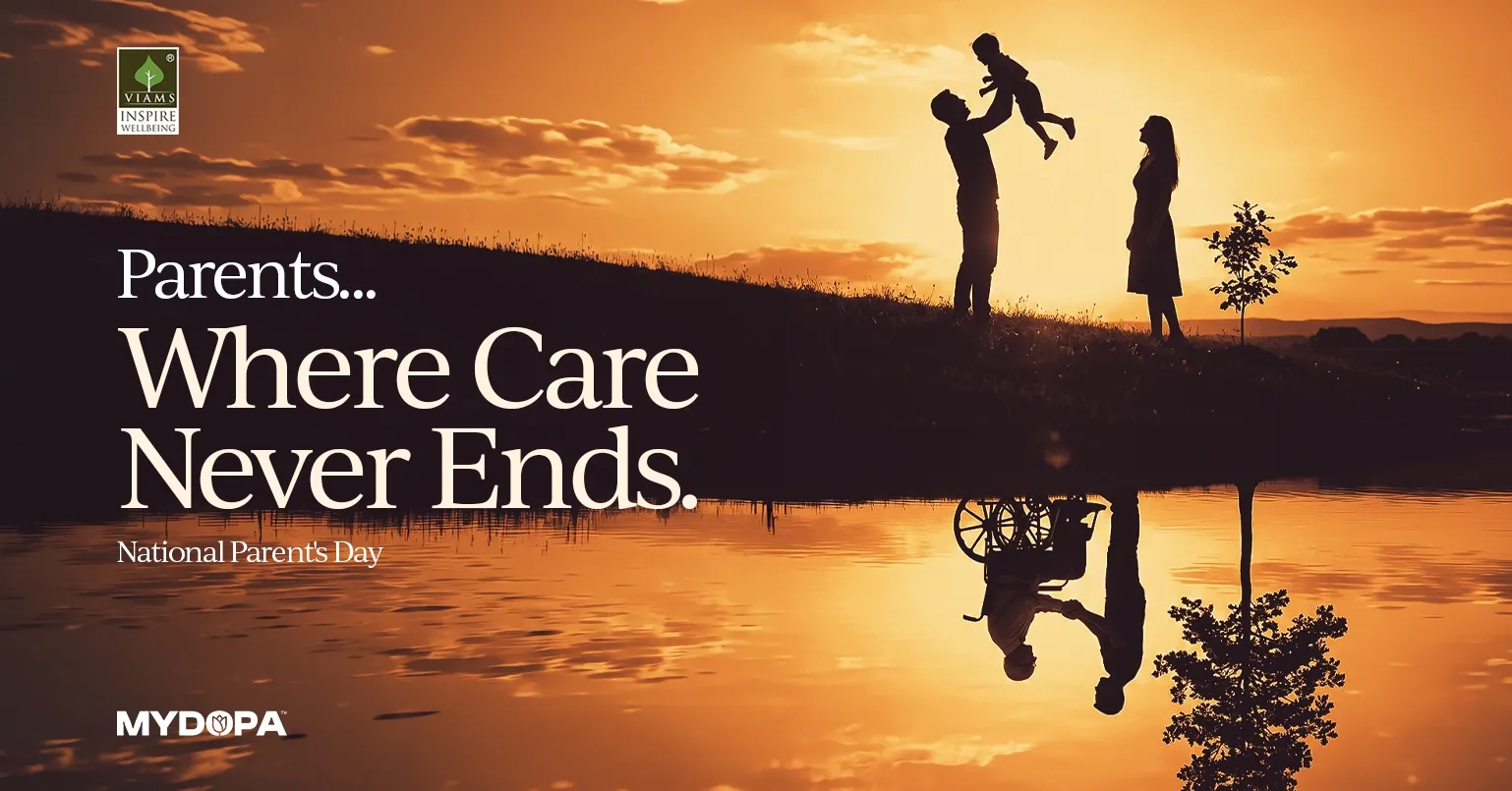
Parents’ Day is more than a celebration of love, gratitude and sacrifice. It is also an opportunity to reflect on one of our greatest responsibilities as children—to safeguard the health, dignity and independence of our parents as they age. While we celebrate their unwavering support throughoutour lives, we must also recognize the growing health challenges that accompany ageing, particularly the increasing burden of neurodegenerative disorders such as Parkinson’s disease.
Across the world, the elderly population is expanding rapidly, and with it comes a significant rise in neurological disorders that affect movement, memory, balance, speech and overall quality of life. Parkinson’s disease, once considered relatively uncommon, is now one of the fastest-growing neurological disorders globally. Alongside Parkinson’s disease, conditions such as dementia, vascular cognitive impairment and age-related neurodegeneration are becoming increasingly prevalent, placing enormous emotional, physical and financial demands on families.
In recent years, clinicians have also observed a noticeable increase in neurological symptoms and movement disorders following the COVID-19 pandemic. Although research is still evolving, accumulating evidence suggests that COVID-19 may accelerate underlying neurodegenerative processes or unmask previously silent neurological conditions in susceptible individuals. Persistent inflammation, immune dysregulation, vascular changes and post-viral neurological complications have contributed to a growing number of patients experiencing tremors, slowed movements, cognitive decline, fatigue, autonomic disturbances and reduced functional independence. While COVID-19 is not considered the sole cause of Parkinson’s disease, it has undoubtedly highlighted the vulnerability of the ageing brain and reinforced the importance of early neurological care.
One of the greatest misconceptions surrounding Parkinson’s disease is that it begins with tremors. In reality, the disease often starts years before visible motor symptoms appear. Constipation, disturbed sleep, loss of smell, anxiety, depression, fatigue, reduced facial expressions, stiffness, slower movements and subtle balance disturbances may all precede diagnosis by several years. Recognising these early warning signs provides a valuable opportunity for timely intervention, potentially slowing disease progression and preserving quality of life.
Modern healthcare has made remarkable advances in symptom management, particularly through pharmacological therapies. However, Parkinson’s disease remains a complex condition that affects multiple body systems beyond movement alone. Patients often experience challenges related to speech, swallowing, nutrition, mobility, cognition, mental health and activities of daily living. These multidimensional problems require a comprehensive and multidisciplinary approach rather than relying on medication alone.
This is where integrative healthcare plays an increasingly important role. At Dr. K. V. Vijayan Institute of Ayurveda Medical Science (VIAMS), we believe that successful management of Parkinson’s disease extends beyond treating symptoms. Our integrative neuro-rehabilitation protocol combines evidence-informed Ayurveda with physiotherapy, occupational therapy, speech and swallowing rehabilitation, psychological counselling, nutritional guidance and yoga-based interventions. The objective is not merely to reduce symptoms but to improve functional independence, enhance quality of life and support long-term well-being for both patients and caregivers.
Ayurveda has long recognised age-related neurological degeneration under conditions such as Kampavata, where disturbances in Vata Dosha influence movement, coordination and nervous system functions. Individualised Ayurvedic therapies, carefully selected herbal formulations, Panchakarma procedures where appropriate and personalised lifestyle recommendations are integrated with modern rehabilitation principles to provide holistic patient care. This collaborative approach addresses physical, neurological and psychological aspects simultaneously, allowing patients to maintain greater confidence and independence throughout their journey.
Equally important is prevention. Healthy ageing is not achieved by chance but through consistent attention to lifestyle, nutrition, physical activity, sleep quality, stress management and regular medical evaluations. Families should encourage older adults to remain physically active, engage in mentally stimulating activities, maintain social interactions, consume balanced nutrition rich in natural antioxidants and seek medical attention whenever early neurological symptoms appear. Early intervention often offers the greatest opportunity to maintain independence and reduce disability.
Parents’ Day is also a reminder that caregiving extends beyond providing medicines. Emotional support, patience, encouragement and understanding are equally powerful forms of healing. Families play a vital role in helping elderly individuals remain socially connected, physically active and emotionally resilient. A supportive environment can significantly improve treatment adherence, rehabilitation outcomes and overall quality of life.
As we honour our parents this Parents’ Day, let us also make a commitment to protect their future. A simple conversation about their health, an early neurological assessment or encouraging healthier daily habits may profoundly influence their quality of life in the years ahead.
Neurodegenerative diseases need not define the ageing journey. With early recognition, timely intervention and an integrative model of care, many individuals can continue to lead active, meaningful and independent lives.
At VIAMS, our mission is not only to support individuals living with Parkinson’s disease but also to promote healthier ageing through preventive neurological care. Every family deserves the opportunity to help their loved ones age with dignity, mobility and hope. On this Parents’ Day, the greatest gift we can offer our parents is not merely our gratitude—it is our commitment to preserving their health, protecting their independence and standing beside them through every stage of life.